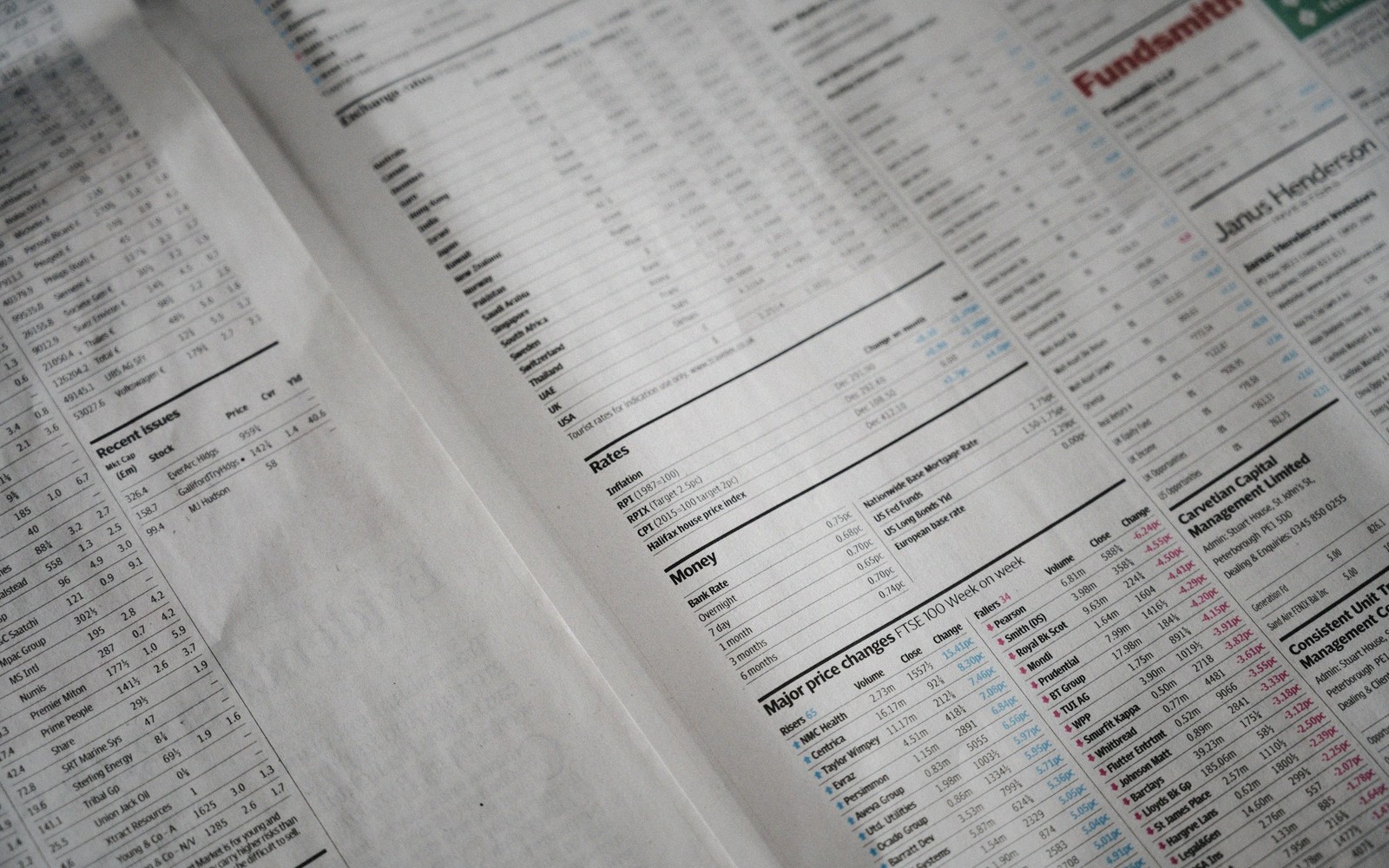
Cash on hand, burn rate, debts and vendors — the signals a careful reader pulls from a routine campaign finance report.
01Reading Between the Lines
A campaign finance report looks, at first glance, like an accounting document — columns of receipts, disbursements, and running totals. But buried in those schedules is a surprisingly candid picture of a campaign's health, strategy, and stress. Knowing what to look for turns a dry regulatory filing into something closer to an X-ray.
The headline number most journalists reach for is cash on hand: the balance sitting in a committee's account at the close of a reporting period. A large balance signals operational comfort; a thin one signals pressure. But cash on hand is only useful in context. A committee that has raised modestly but spent almost nothing carries a misleadingly healthy balance. One that raised aggressively and spent aggressively — to lock in early ad reservations, say — may show a lower balance while actually being in stronger shape. The number only means something relative to what the committee is spending and when the next deadline falls.
02Burn Rate and What It Forecasts
That's where burn rate earns its place. Expressed simply, it's the share of every dollar raised that gets spent in the same period. A committee raising $1 million and spending $900,000 is running a 90% burn rate — high, but not alarming if the spending is going into durable assets like voter data or early media. A committee running above 100% — spending more than it raises — is drawing down reserves, which is survivable for a stretch but unsustainable for long.
Burn rate also exposes overhead. Administrative costs, payroll, legal fees, and fundraising expenses all show up in disbursements. A campaign where a large fraction of spending goes to the fundraising operation itself — paying direct-mail vendors, digital consultants, or telemarketing firms — is effectively running on a treadmill: spending heavily just to keep money coming in. Watchdogs sometimes call this the fundraising-to-spending ratio, and it matters especially for political action committees that pitch small-dollar donors on the premise of being effective political actors.
03Debts, Vendors, and the Fine Print
Schedule D — debts and obligations — is the section most casual readers skip. They shouldn't. Reported debts tell you who the campaign owes money to and how much: a polling firm, a media-buying shop, a printing vendor. A growing debt schedule can signal a campaign that is outrunning its fundraising, paying vendors late, or relying on credit to stay operational. It can also signal strategic intent: some committees deliberately defer payments to manage which reporting period the expense appears in, though disclosure rules require debts above certain thresholds to be reported regardless.
Vendor names in the disbursements schedule are their own source of intelligence. Recurring, large payments to a single media-buying firm suggest a committee that is deep into paid advertising. Payments to a data or targeting vendor point to a ground operation or digital program. Legal fees — especially when they spike — sometimes correlate with regulatory scrutiny or internal disputes. None of this is conclusive on its own, but patterns across multiple filings build a coherent picture of where a committee's priorities actually lie, as opposed to where it claims they lie.
Schedule D — debts and obligations — is the section most casual readers skip.
04Putting It Together
The most useful exercise is to read a campaign finance filing as a time series rather than a snapshot. A single report is ambiguous; three or four reports in sequence reveal momentum. Is cash on hand growing, flat, or declining each cycle? Is the burn rate stabilizing or accelerating? Are debts being paid down or accumulating? The trend lines answer questions the raw numbers cannot.
One caution: filings reflect what committees choose to report, within the rules. Coordinated spending, in-kind contributions, and certain independent expenditures each have their own reporting timelines and thresholds. A report that looks clean may simply be current — the obligations that will stress a committee's finances next quarter haven't shown up yet. The document is a snapshot of a moving target, and every number in it has a timestamp. Read it accordingly.
Every figure here is an illustrative composite, rounded for clarity. See How We Count for the method — we model no single race, party, or candidate.